Music Works. It’s Time for Healthcare to Make Better Use of It.
Change Starts with Seeing What Music Can Do
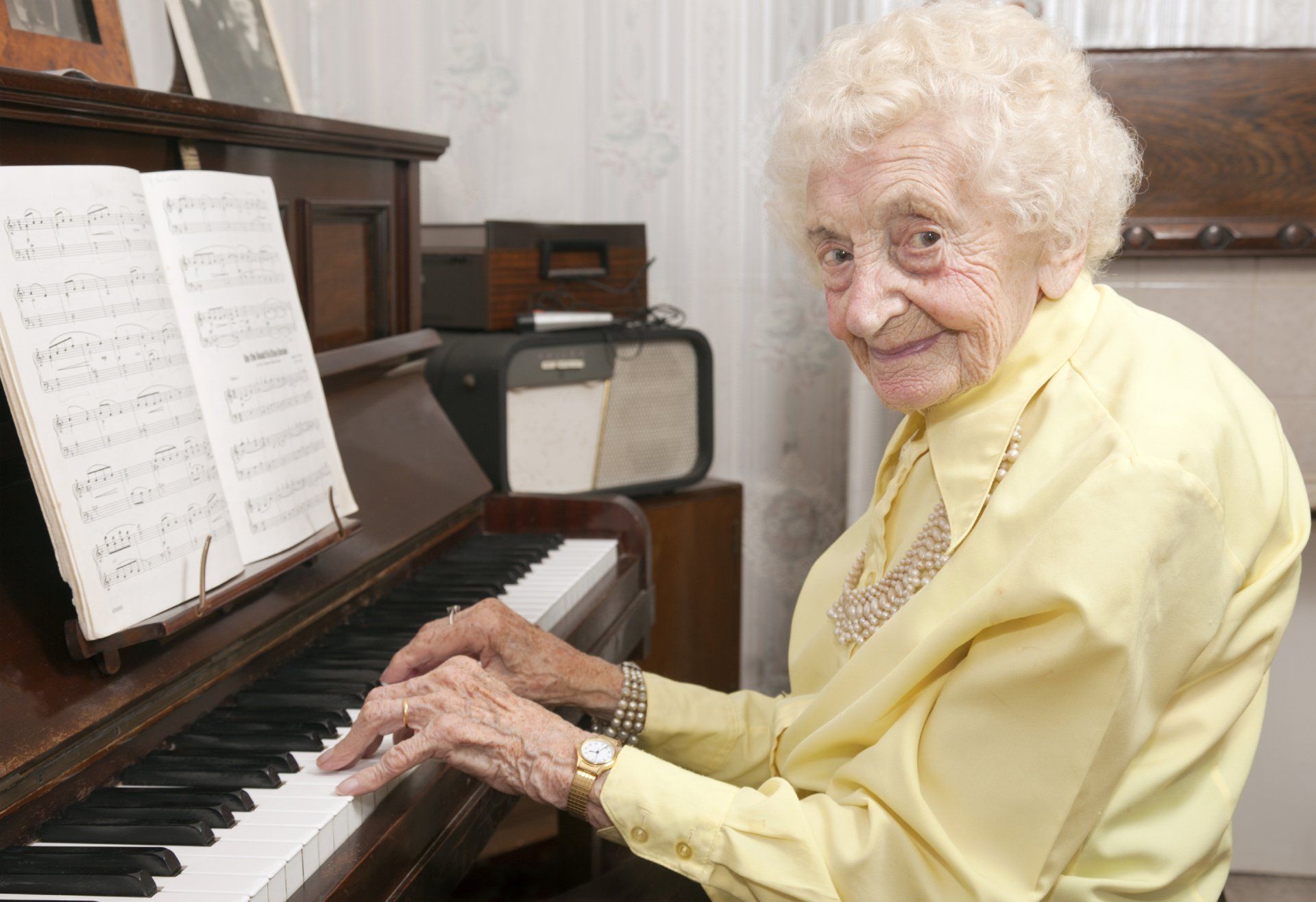
When I began seeing people with dementia light up when reconnected with their favorite music, I knew we had to find a way to make that experience available to everyone who might benefit.
Since then, I’ve trained teams in more than 5,000 long-term care, hospital, home care, day program, and hospice settings. Yet effective ideas do not necessarily spread by themselves. Obstacles to change include ageism, stigma, organizational inertia, competing priorities, assumptions about cost, and the familiar response: “Music is not my job.”
The strongest champions are often people who have witnessed music’s outsized impact themselves. Once you see someone reconnect, calm down, communicate, or simply come alive through familiar music, you want others to experience it.
The Alzheimer’s Society of Toronto was the first to act fourteen years ago, providing free customized music players to anyone in Toronto with dementia. More than 8,000 families have benefited.
A 2025 Deloitte Canada analysis found that music engagement can improve multiple measures of quality of life for people with Alzheimer’s and their caregivers, generating $2.40 in benefits for every $1 invested. Such measures include a 50% reduction in depression and a 25% reduction in caregiver stress.
Music Is a Tool for Better Care
Healthcare organizations already prioritize person-centered care and quality of life. Rather than asking them to take on “another music program,” we should show how meaningful music supports goals they already have: better clinical outcomes, easier and more rewarding staff interactions, greater family satisfaction, and potential organizational efficiencies.
Group music has an important place, but its relevance varies from person to person. The starting point should be: What music has mattered throughout this person’s life, and how can we keep them connected to it?
Make Music Everyone’s Business
Music therapists bring specialized clinical expertise, and recreation professionals play an essential role. But their impact multiplies when nurses, PSWs, therapists, social workers, administrators, and families are also empowered to use music.
Being warm, respectful, and cheerful with residents/patients/clients isn’t one department’s job. Neither should helping someone connect with meaningful music.
Empower People to Act Now
Organizations can start small. Pilot an approach and let people see what happens. Show leaders and staff powerful examples such as Alive Inside. Use established approaches rather than reinventing the wheel. Build train-the-trainer models. Identify each person’s music and include those preferences in care plans and electronic health records.
Alzheimer’s organizations can incorporate music into caregiver education, provide family toolkits and support choirs and other community opportunities. Identify champions, track outcomes, and share successes so promising pilots become sustained practice.
We no longer need to ask whether music can make a difference in dementia care. The question is: What can each of us do to make sure people with dementia have access to it?
Music doesn’t compete with the priorities of dementia care. Properly integrated, it helps us achieve them.
About Dan Cohen
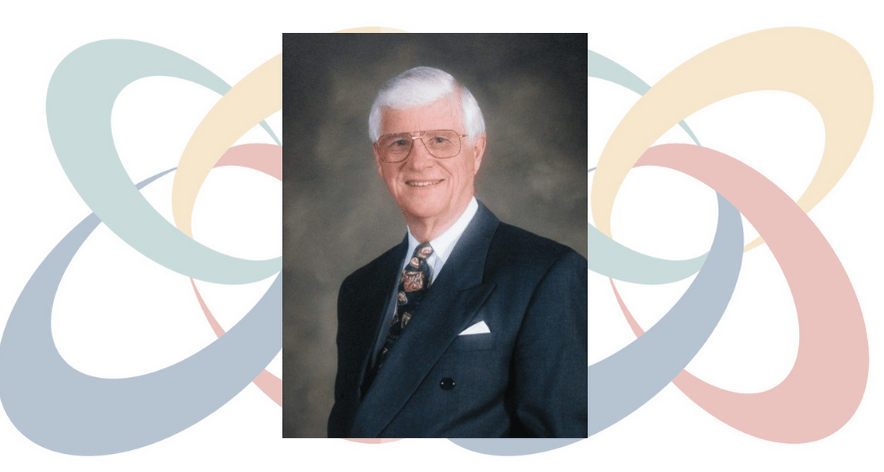
Dan Cohen, MSW, founder and CEO of Right to Music, is a passionate advocate for integrating best practice music-based interventions into healthcare, especially long-term care and for all persons with dementia. He founded Music & Memory, a nonprofit organization that promotes the use of personalized music to enhance the well-being of the elderly and infirm. The therapeutic and joyful outcomes of his work are portrayed in the Sundance audience award-winning documentary, "Alive Inside.” He has presented at numerous healthcare and dementia caregiver conferences in the United States and internationally. Driven by his vision of widespread adoption of music-based interventions, he is focused on advocating for policy changes, raising public awareness, improving research, and modifying the curriculum for future healthcare professionals. Additionally, he co-founded the International Music and Dementia Advocacy Coalition, which seeks to expand global access to music for people with dementia. To contact Dan, email him at dcohen@righttomusic.com.