But He Can’t Hear
For most of my practice of coming alongside people in care or at the end of life, my harp has been the extension of me.
It has traveled in ICUs, nursing homes, funerals, and celebrations of life.
But for George, it couldn’t reach into the depths of his ears or into his soul for soothing, comforting, and connecting.
George became profoundly deaf at the end of life.
George, in his youth, was a very active and attractive young man with many skills athletically and also musically. Both he and his brother were incredible tenors in their church choirs from youth until their sixties. They sang duets and solos in church and with Gilbert and Sullivan Productions. It was actually there that George met the love of his life, Audrey, and they sang together.
In my youth at church, George was often gowned in the choir garb, enjoying the music of the church and those “olde hymns”.
Later, George’s father’s work as an assayer took him at the age of 16 to Jamaica, where he fell in love with the folk music of the isle.
At home, he loved watching Don Messer’s Jubilee; country music was his soft spot. Often after dinner, he would start the turntable and listen to the crooning of the country and western storytellers.
Aging, as they say, is not for the faint of heart. The loss of hearing was a huge adjustment for George, and the loss continued until even the hearing aids no longer worked.
I would take Ruby, my little red harp, into the nursing home to play, and he would gently smile in his George way and shake his head that he heard nothing.
This is where I became the student during the journey.
George would bring out copies of his music, such as old hymns and lyrics of favourite love songs. These copies would be yellowed and delicately thin with age. He would begin to sing in his mellow tenor voice, and the memories flooded back. He shared the copies with fellow residences and staff. He would sing to them all. My job was to listen and take in his rich history of music that journaled the passages of his life.
Our favourite haunt in the last nine years was Swiss Chalet, every Sunday evening. Often, our Jamaican staff would come out and sing to George. He really couldn’t catch the words the first couple of times, and then he would lip-read Diane’s words, “Come, Mr. Tally Man, Tally Me Banana,” and everyone at the table and surrounding tables would sing.
George would randomly sing songs of the past during these dinners, remembering all the words as well as the moments these songs elicited. Then, the talk and connection went deep. His son, Peter, would take notes about all of these wonderful events of a man who lived a humble life well.
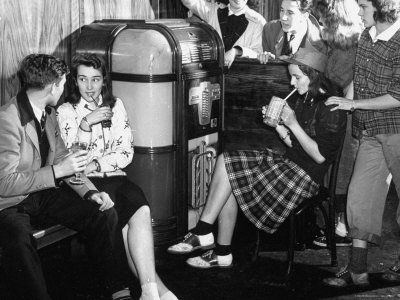
Our portal into the life of George often came through old black-and-white photos, old hymn books, even old 78 records. He would smile, close his eyes, relax in his lazy boy, and the vocal music would begin. With the music came the stories of life traveling with his family, the depression, World War 2, meeting Audrey, raising his family, and connection with others through music.
Even though he could no longer hear, he remembered and could still give the gift of song to others.
The lesson is that music is so much more than sound; it is the connection, the stories, and the memories. We, as music care advocates, need not pass by someone who can’t hear as we may feel not useful, but to think beyond the physical sound into the memories of a song. The use of old pictures and hymn books helped us to enter into the past, as did the conversations cards of Music Care.
Our job is one of connection and valuing the humanity of a soul. Music provides rich soil for connection. As our body ages and access to many things diminishes, we must still consider how to adapt our approach of using music to connect, through pictures, conversations, touch, and just being in space together sharing who we are.
Shelley Neal is a special education teacher and program coordinator, therapeutic musician, and music care advocate in the Greater Toronto Area. Shelley uses music to deliver curriculum, support movement and language development and communication skills with non-verbal children. Her goal is to come alongside people and use music in whole person care.