Music, Memory and What Still Remains
With the Juno Awards taking place this past weekend, there has been a renewed focus on the role music plays in Canadian culture. It brings people together and creates shared moments.
This same idea surfaced in a different context earlier last week.
During the recent
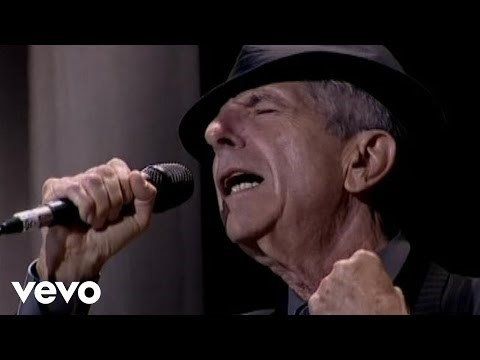
Ontario Long Term Care Associationconference, a keynote from Mike Downie, Telling Our Story: The Power of Narrative to Inspire and Connect, reflected on the legacy of his brother, Gord Downie, and the impact of The Tragically Hip. One of the main insights of this reflection was a simple idea: music connects people.
During the keynote, reflections shared from residents at Kensington Health offered a powerful reminder:
- Music is a common ground for community gathering
- It is not about what is lost, but what is still there
- Music that has meaning can bring us back, even if only for a moment
Mike Downie also reflected on how the storyteller can become the story. This is a clear theme in the life of Gord Downie, who was known for storytelling through his lyrics and later became the story himself through his health journey. His later work, including
Secret Path, also highlighted his advocacy for Indigenous communities and demonstrated how music can be used to share stories that might otherwise go unheard. In care environments, this idea shows up in different ways. Projects like
The Green Bench create space for people to share their stories directly. Music can do something similar. It can bring forward identity, memory, and moments of self-expression, even when communication changes.
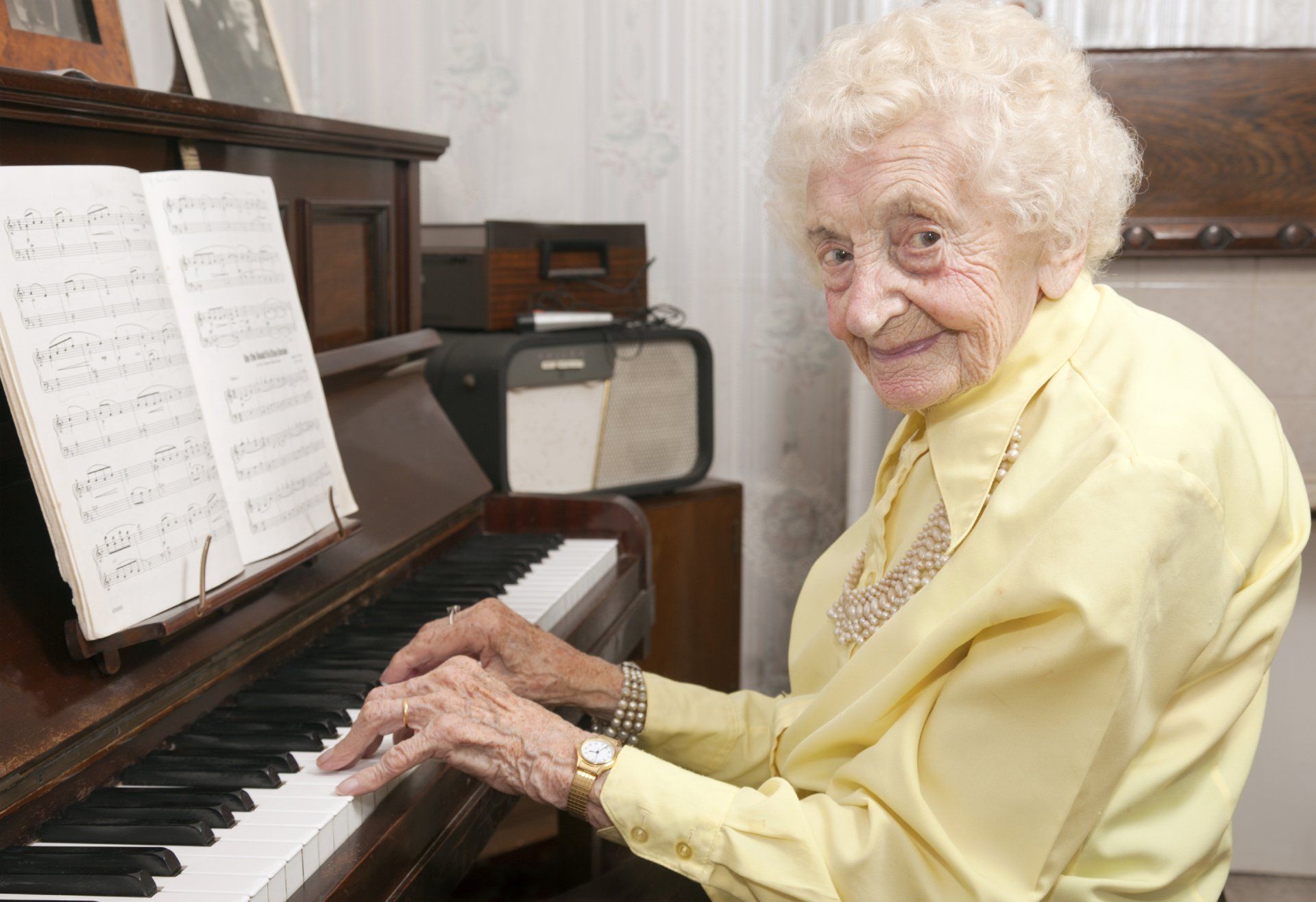
These reflections may feel familiar to those who work in care environments. It may look like a resident quietly joining in with a familiar song, or a shared moment where a room shifts as music begins. Connection through music may appear as:
- A familiar song leading to singing or humming
- A moment of recognition seen in a glance or a smile
- A shift in the tone of the room when music is introduced
These moments of connection are often described as spontaneous. However, they are not accidental. Music, when used intentionally, can support connection in everyday care. This might look like:
- Choosing music that is familiar and meaningful to the person
- Using music to support transitions or care routines
- Creating opportunities for shared listening or singing
The legacy of Gord Downie reminds us that music has always brought people together. In care environments, through the intentional use of music, that same connection continues.