“I’m Not Musical”: Breaking Down Barriers to Using Music in Care
“But I’m not musical.” “I’m tone deaf.” “My choir teacher told me to just mouth the words.”
I hear versions of these comments all the time when I’m teaching MUSIC CARE TRAINING. They’re usually said with a laugh, but underneath them is a real hesitation: If I’m not musical, can I really use music in care?
My answer is a passionate, resounding YES.
In fact, this is one of the messages I care most about people taking away from our training. Music care is not reserved for musicians. It is not about having a beautiful voice, reading music or knowing how to play an instrument. One of the distinctions we make in our training is that music care is about presence, not just performance, and that changes the conversation.
Music care begins when we stop asking, “Am I musical enough?” and start asking, “How can music help me connect with this person right now?”
You may already be using music
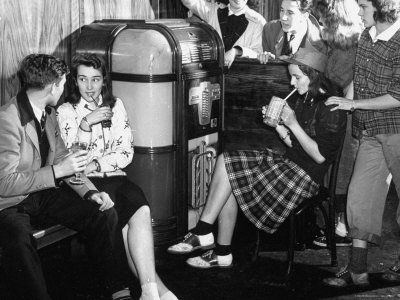
Think about the role music already plays in your own life. Maybe it is part of your drive to work, your workout, your morning routine or the way you unwind at the end of the day. A song can shift your mood, bring back a memory or instantly connect you to a person or place. We already understand, often without even thinking about it, that music can change how a moment feels.
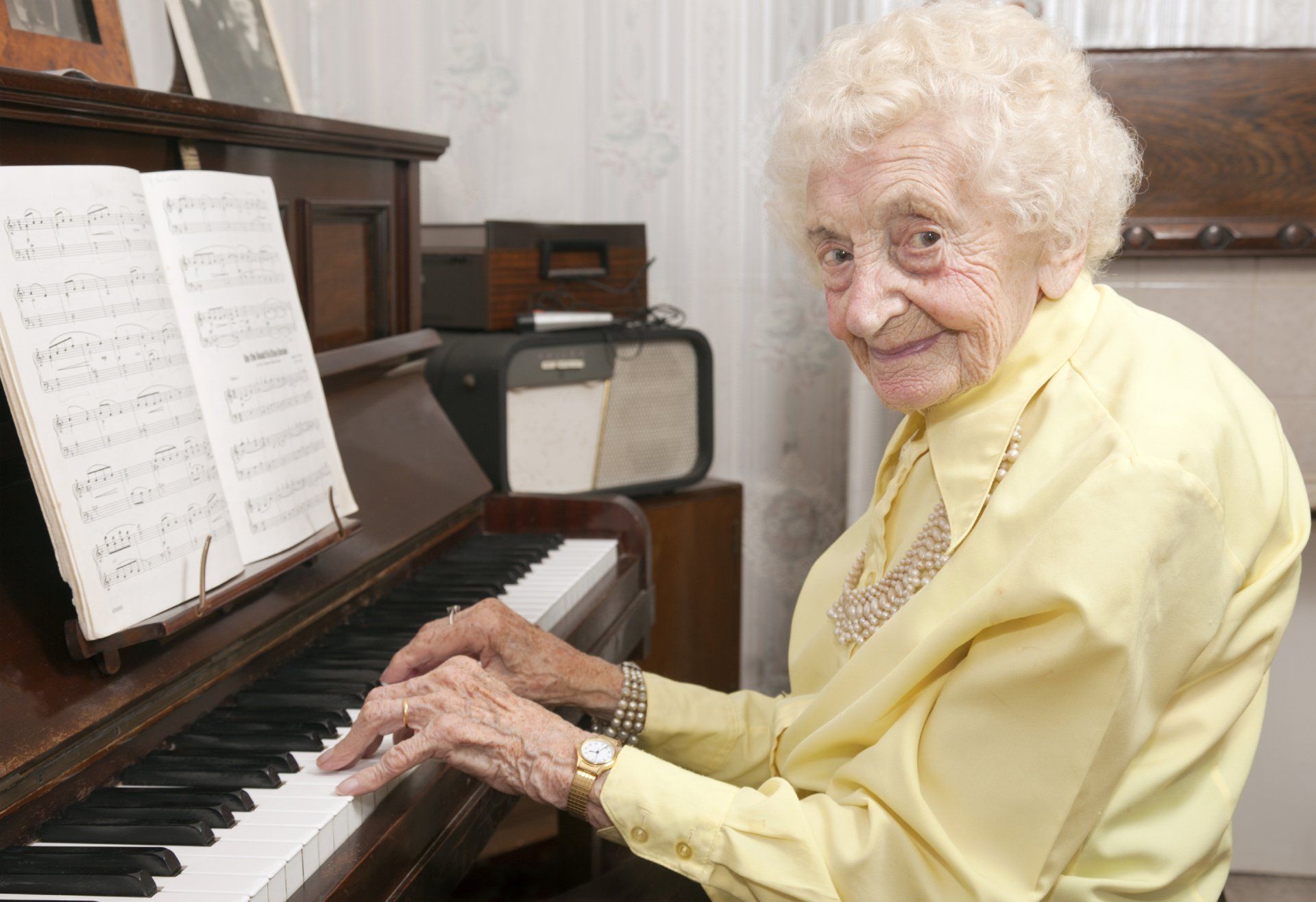
The same is true in care. A PSW might hum a familiar song while helping someone get dressed. Recreation staff might choose music from a resident’s younger years instead of reaching for a generic playlist. From my own classroom days, I remember singing songs with students on the bus to a field trip. Somehow the time passed more quickly, and before long we were all connected through music and contagious laughter.
None of these decisions require musical talent or years of private lessons. They require knowing the person, paying attention to what is happening and being willing to respond. That is music care too: being present enough to notice where music might help.
Start with the person, not the playlist
Music is personal. What comforts one person may irritate another, and a song that brings back a wonderful memory for one person may mean something very different to someone else. Before you worry about finding the “right” music, start with the person.
Ask simple questions: What did you listen to when you were younger? Who was your favourite singer? Is there a song that always makes you smile? Then watch what happens. Does the person sing along, tap a foot, smile or seem calmer? Do they turn away or ask you to stop? Those responses tell us something.
Music care is about learning what matters to someone and noticing how they respond. Over the years, I have learned that when I really listen and pay attention, I become a much more responsive educator and caregiver. That kind of presence has become an important part of my own practice.
I’m not asking you to suddenly become the person leading the sing-along! Let’s take this in small steps. Start with one person and one moment. A familiar song might help someone ease into the morning, or you might simply join in when someone begins singing a line from an old favourite.
While reading Mel Robbins’ The Let Them Theory, I was reminded of another one of her ideas, the 5 Second Rule: 5-4-3-2-1, and move. Sometimes that is exactly what we need when our inner voice says, I can’t sing. I’ll feel silly. I’m not musical. Hum the song. Ask the question. Put on the music. Join in.
If it does not work, change the song or try something different. Music care is not about getting it right every time. It is about being willing to try and staying present to the person in front of you.
Give yourself permission to try
Maybe the real barrier was never whether you were musical enough. Maybe it was simply believing that music belonged to someone else. But music already lives in everyday moments, in relationships, in laughter, in memories and in care. You do not have to wait until you feel more confident or know more about music before you use it.
Start with what you already know about the person in front of you and be willing to try. The next musical moment may be as simple as humming a familiar tune, pressing play or joining someone in a song. Sometimes those small moments are where connection begins, and where true meaning lives