New Paragraph

Leading Edge

Leading Edge


Bev Foster, Room 217’s Founder and ED celebrates music care leaders who are making a difference

and why they matter.


Nick Cutts, The Value of Reflective Practice in Leadership

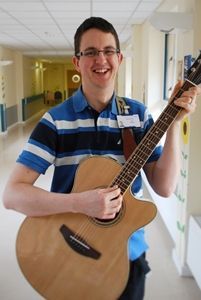
I remember the day like it was yesterday; a visit to the Royal Infirmary in Leicester, England, to watch  a team of healthcare musicians led by Nick Cutts. 


What sticks with me is that there were two musicians, Nick with his guitar and Sarah with a plethora of instruments in a plastic cart on wheels she pulled behind her. This was a busy hospital ward, and they moved seamlessly from patient to patient. Musical engagement was personal, respectful, short, unobtrusive and well appreciated by each patient and the clinicians on the floor.


I didn’t know much about Healthcare Musicians before that day. Over a hot lunch in the hospital cafeteria, I learned that Nick had studied in France with a group called Musique & Santé that works for the promotion and dissemination of live music in hospitals and other health and social settings. Musical professionalism and the ability to improvise allows Healthcare Musicians to be as close as possible to the vulnerable person.

Unlike the clinical goals of a Music Therapist, Nick and his team of healthcare musicians at OPUS Music play high quality live music with cultural goals in mind. They want to connect, express emotion and enhance wellness in the people they meet by making music. 


One of the things that gives Nick a leading edge is his disciplined approach to reflective practice. Nick and his team meet regularly to review their experiences, gain insights from one another, refine and chronicle what they have seen through practice. These team touchpoints serve to foster continuous learning, enhance skills, and improve decision-making.


Reflective practice is likely the reason the team has stuck together as they have learned coping strategies and deepened trust in one another through self-awareness and making sense of their varied experiences. This thoughtful, supportive approach allows the team to engage in new opportunities with confidence and a sense of professional collegiality. 


The fruit of reflective practice over years is likely why Nick and his team at OPUS have been able to create a Quality Framework for Healthcare Musicians that defines and demonstrates what excellence looks like in the practice of Healthcare Musicianship. The first of its kind, this framework sets out clear standards of practice and core competencies that describe the skills, behaviours, and values underpinning high quality music making for health and wellbeing.


A leader models certain disciplines for the team. Nick’s commitment to the rigour of reflective practice has ensured a commitment to quality and the integrity of professional practice for his entire team and for the future of Healthcare Musicians around the world.


Dan Cohen, A Visionary Gentle Giant

I remember the night it went viral. It was a video of an African-American man named Henry, who lived in a care home in the United States. He sat in a wheelchair, head down, eyes sunken, non-communicative. The transformation was unforgettable.


One of his caregivers helped Henry put on the headphones so he could listen to music on his personalized playlist on the iPod. It was Cab Calloway’s jazz that seemed to wake up Henry and bring him to life again. His eyes popped. He began singing the words to the songs he knew and loved. He held a conversation.


And who was behind it all? A man named Dan Cohen, a social worker who had led community service  programs and whose career transitioned to personal computer sales, providing training and support in new software applications.


And now he was using his experience to change the lives of older adults like Henry.

I met Dan in Toronto at a screening of the award-winning film, Alive Inside. What struck me about Dan was his gentle tone, his tall, lean stature and most notably, his vision for doing care better, especially dementia care.

In 2010, Dan founded Music and Memory, a non-profit dedicated to bringing personalized music playlists to people with cognitive and physical conditions, first in nursing homes, and later in a wider range of healthcare settings. And there were profound well-documented benefits in the more than 5,000 care homes that signed on to the program.


Now Dan leads several new initiatives. He started Right to Music in 2019, which advocates for access to beneficial music as a ‘right’ for people in care settings. He also co-leads the International Music and Dementia Advocacy Coalition made up of members from fourteen different countries. This group supports local, national and global actions to overcome barriers and facilitate access to music for older people.


I’m a member of this coalition and have the privilege of regularly working with Dan. What strikes me about Dan is his unwavering vision: access to personal music as a human right. He won’t settle until the job is done. In Dan’s own words, we hear the passion and drive behind his vision.


Why, when our most vulnerable fellow citizens are facing difficult health challenges, do we ignore the great, drug-free benefits so readily accessible to the rest of us who are able to play our own music whenever we want? Why, for individuals in nursing homes, many of whom spend most of their days idle with no hope of a visitor, can’t we ensure that they have a better day by re-connecting with the music they love. [www.righttomusic.com] Vision in leadership is important. It enables change, provides direction, aligns efforts, establishes focus, fosters innovation, motivates and inspires.


Dan’s vision – musical access for older adults - is a singular and tenacious and one we can all embrace. There’s nothing to lose and so much potential for good.


Debra Chandler, Qualities of Enduring Leadership

One of the highlights of my role at Room 217 is attending events that bring together people working at the intersection of arts and healthcare. I remember one particular event in 2017, hosted by Sheridan College’s Centre for Elder Research. It was there that I met Debra Chandler, an articulate and passionate arts manager whose energy and dedication immediately stood out.


Debra is the Executive Director of Concerts in Care Ontario (CiCO), an organization that delivers professionally curated live music programs to seniors living in long-term care, retirement homes, and homeless shelters across Ontario. These concerts are not simply entertainment—they are meaningful artistic engagements designed to uplift mood, reduce loneliness, and rekindle cherished memories. CiCO is part of a broader network of provincial organizations across Canada that share a common mission: to improve the quality of life for older adults through live music by professional musicians.


Although Debra took on her leadership role at CiCO in 2017, she brought with her a depth of experience in arts administration. She previously held positions with the Toronto Bach Festival, Livent, the Royal Conservatory of Music, and the Winnipeg Symphony Orchestra. In addition to being a skilled administrator, Debra is also a trained musician. She holds a Master of Music in Performance, with a focus on piano collaboration—a background that gives her a unique perspective on both the artistic and logistical dimensions of her work.


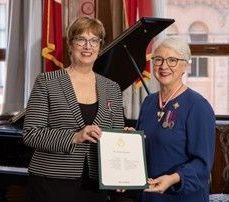
Recently, Debra was awarded the King Charles III Coronation Medal, presented by Her Honour Edith Dumont, the Lieutenant-Governor of Ontario. This well-deserved honour recognized her tireless work with CiCO, and I was struck by how her Board described her leadership as “enduring.” Enduring leadership. Isn’t that what leaders truly hope for? That their work and impact continue to resonate, long after they’ve stepped away?


So what does it take to be an enduring leader? Debra’s story offers some powerful clues.


First, perseverance and innovation. During the COVID-19 pandemic, when live performances in care homes were suddenly impossible, Debra pivoted quickly. She led the creation of live online concerts and a growing digital library of recorded performances. Her refusal to give up—and her willingness to innovate—ensured that seniors could continue to access the healing power of music.


Second, intelligence—both emotional and strategic. Debra’s warmth and authenticity leave a lasting impression. She’s deeply relational but also sharply analytical. She’s able to see the big picture while paying attention to details, always aligning her work with long-term goals and outcomes.

Third, action. Many leaders have great ideas, but few bring those ideas to life day after day. In the context of a small, nimble arts organization, Debra’s no-nonsense, action-oriented approach is key. Her humour, sensitivity, and drive allow her to execute bold ideas and meet ambitious targets.

Finally, collaboration. Debra exemplifies collaborative leadership—marked by open-mindedness, strong communication, empathy, accountability, and a commitment to shared goals. She puts the mission above ego, and in doing so, creates impact that outlasts her role.


Debra is a seasoned leader whose legacy endures—especially in the lives of Ontario seniors, made brighter through music.


Miya Adout, A Values-Driven Collaborator

I first met Miya, a fledgling Cultural Studies student from McMaster University in 2012, volunteering at the registration desk for our MUSIC CARE CONFERENCE. I was immediately impressed by her positive and cheerful attitude at the time which has no doubt been a contributor of her success today.


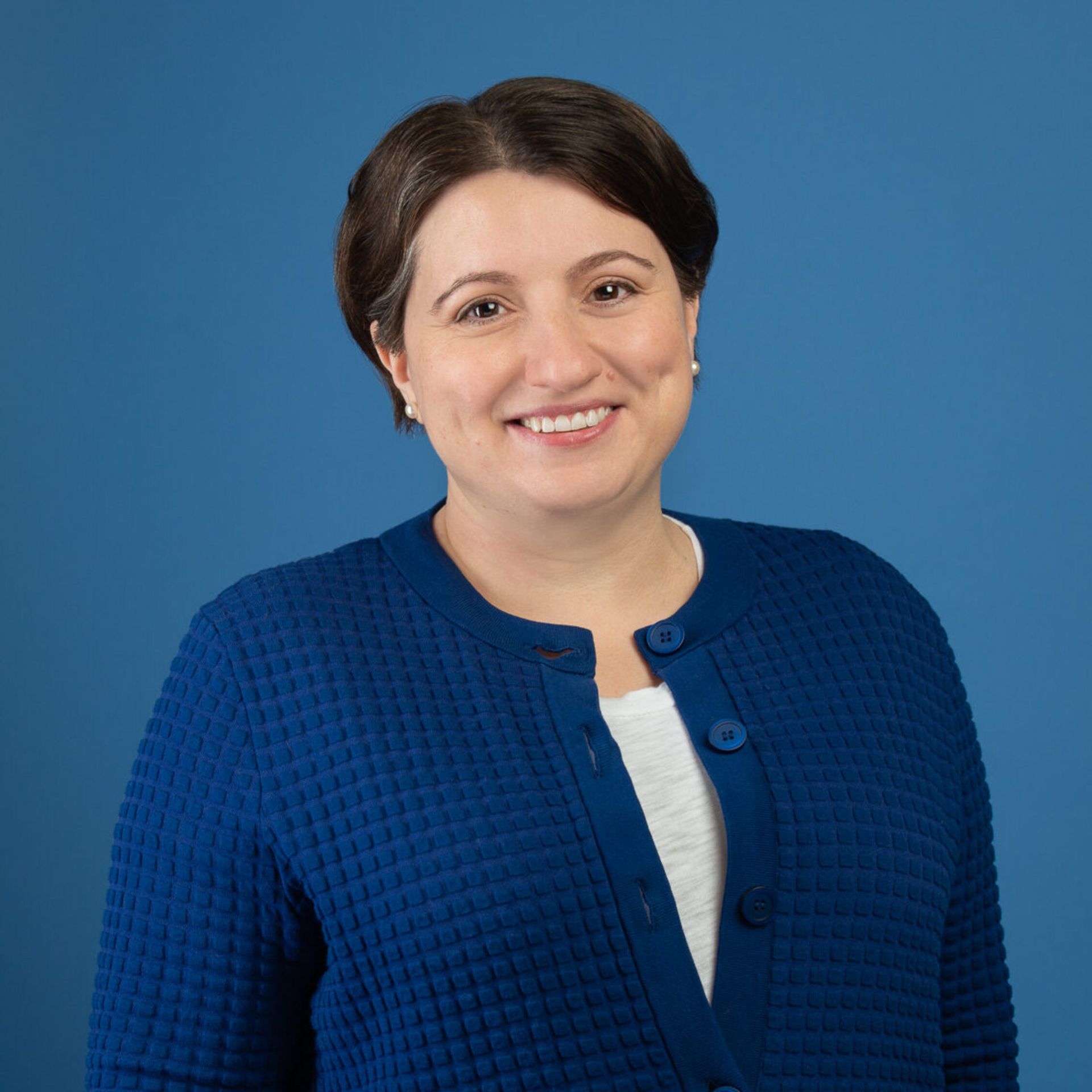
A leading Canadian music therapist and business owner of Miya Creative Care, Miya Adout is a graduate of Concordia University where she received a Master of Arts in Creative Arts Therapies. 


Miya works with individuals of all ages and abilities and specializes in dementia care. She opened her private practice in 2015 with the intention to empower and enrich lives through music. Now, with a team of 28 therapists – music, art and dance/movement therapists – she is doing just that. Miya Creative Care provides services to individuals and care facilities via both in-person and virtual sessions.


As a young healthcare entrepreneur, Miya’s positivity has been a great asset to her success at building partnerships with her clients and her team. Her can do attitude is infectious, endearing and simply contagious. No wonder healthcare administrators choose Miya Creative Care as service providers.


Yet positivity alone doesn’t sustain a leader over time. There’s something deeper that sustains through the ups and downs of business ownership and the responsibilities that come with it. My sense is that Miya is guided by values. Her values don’t just hang on the wall or appear on her website. She really believes them and lives them; subsequently she has created a team that is values-driven.


Values matter because they go beyond just achieving goals. While goals are specific, measurable, and time-bound, values serve as the foundational principles that shape our actions over time. Goals can be ticked off a list, but values represent a continuous journey, not limited to a particular destination. They define how we live, work, and the person we strive to become.


Miya and her team weave their five core values into everything they do, from collaboration with care partners, to the services they provide, to the team support offered each other. Respect, honesty and integrity are at the core. They are dedicated to providing quality care. The team is collaborative, creative and adaptable.


As we celebrate Music Therapy Month, we celebrate Miya Adout, whose vision is that every health and wellness organization throughout Ontario includes creative arts therapies as an integral part of their care model. And with her positivity and values-driven approach, she may very likely see it happen!


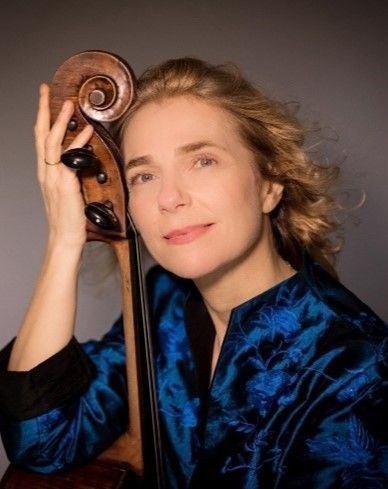
Claire Oppert, Influence Through Musical Skills and Compassion 

A woman in a blue jacket is holding a double bass.

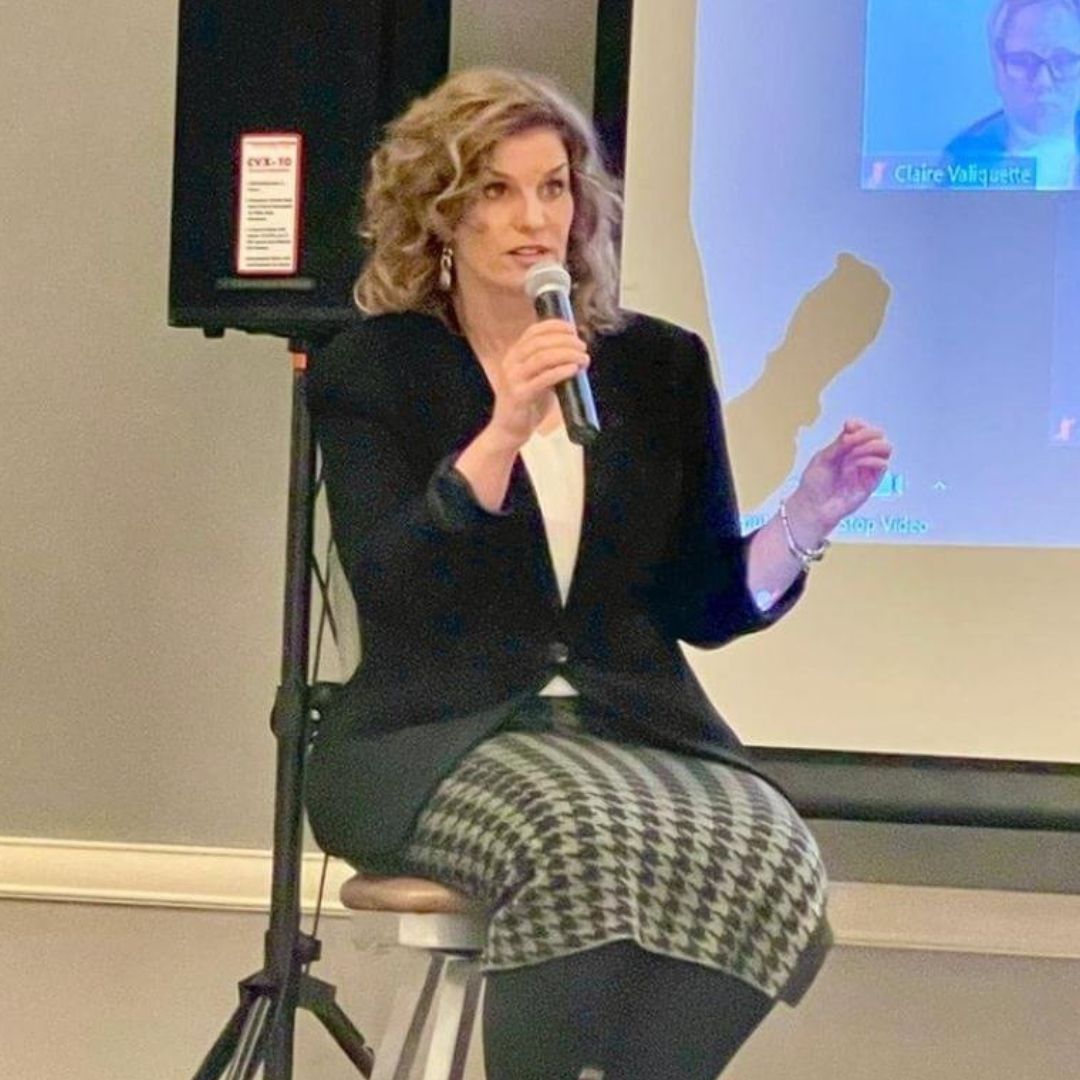
January 2025 - I was absolutely riveted. My attention was on this particular presenter at the 2024 International Music and Medicine Congress in Berlin. Claire Oppert sat in a simple chair centre stage, her cello resonant with sonorous, familiar melodies. Her presentation was without spoken word. Instead, the screen beside her flashed slide after slide with rich narrative drawn from her years of playing at the bedside for individuals in their last weeks and days of life. Over 15 minutes, Claire shared a tapestry of at least 30 images - each featuring a patient in their room identified by details like “Mr. T. Room 215, neuroblastoma” or “Mme R. Room 304, renal failure.” Accompanying each image was a stirring quote from the patient: “When you play, I'm not sick anymore."  "I feel happy, I feel alive."


Claire Oppert lives in France, and trained in classical cello at the Tchaikovsky Conservatory in Russia. For over twenty years, she has been working with children with autism, people with neurodegenerative diseases, and palliative care patients. Along with teaching music, Claire speaks at medical schools and universities, and she has authored several scientific publications, focusing on the links between art and care. She has recorded seven albums and won prizes in numerous international competitions. Her book, The Schubert Treatment is a testament to the incredible power of music to heal our bodies, minds, and souls.  You can learn more about Claire and her work here. 


Claire’s work matters. As a professional musician who works in palliative care, she has committed herself to using live cello music. Music without words. Yet the communication is deeply and respectfully human bringing comfort, relief, peace, healing, and beauty. 


While all of us can use music in care, there is an authority that comes with a musician who has been technically trained AND who brings healing intention into the room. Claire is convincing as a world-class cellist who easily accesses the musical styles and preferences of those she’s playing for. Claire is equally convincing as a compassionate companion who comes alongside, enters a space gently, pays attention to what’s going on in the room and connects. Healing and inner release is what she brings to the patients. Her humanity sings through her cello where she meets pain, anxiety, despair head-on with an aesthetic that is like a balm in Gilead.    


Claire may not present with a leadership role or credentials we recognize such as CEO or Chair of the Board. But what is it that makes her a great leader? One important factor is influence. Claire has influence because of the authority that comes with being a skilled musician AND a compassionate companion. This is Claire’s authentic self. And the impact of this kind of leadership speaks for itself. Claire inspires us to bring our authentic selves into every place we go and influence for good.


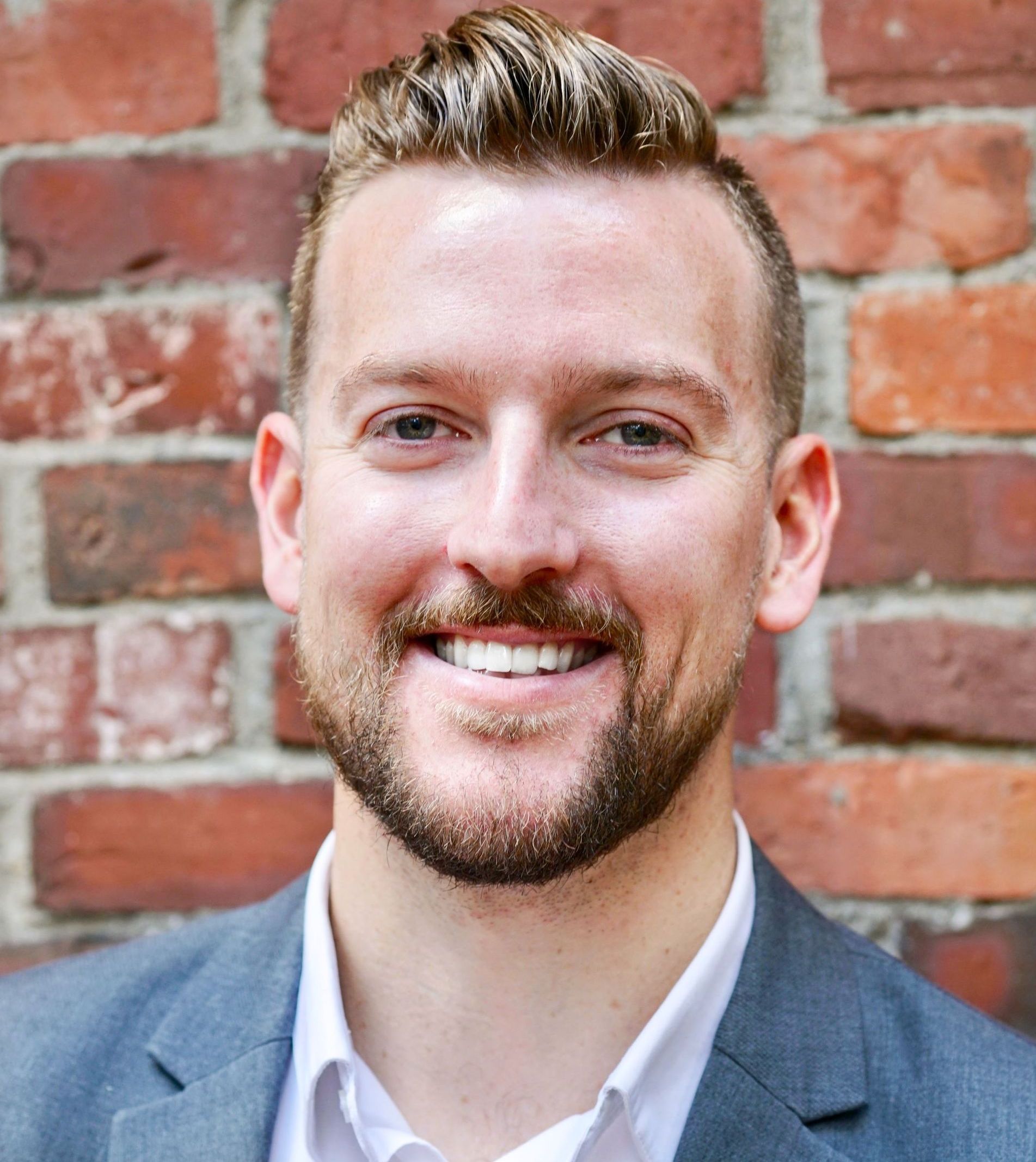
Brian Harris, An Innovator Who Mobilizes

A man with a beard is smiling in front of a brick wall.

September 2024 - Brian Harris is an exceptional board-certified music therapist. While his clinical work at the Spaulding Rehabilitation Hospital in Boston helps people in their recovery journey and fuels his deep curiosity for how to make music therapy more accessible, Brian is an innovator. Brian is the Founder and CEO of MedRhythms, a US-based digital music tech company. Brian has been named to MedTech Boston's 40 Under 40 Healthcare Innovators and Top 100 Innovation CEOs by World Biz Magazine. You can learn more about Brian here.

Brian’s work in the digital tech world matters. His work of developing next generation neurotherapeutics that leverage the power of music and technology is making a difference. In fact, the Centers for Medicare and Medicaid Services in the US (CMS) assigned a new, unique code for reimbursement for MedRhythms’ InTandem® rehabilitation system for chronic stroke gait impairment. This breakthrough takes effect on October 1, 2024. 

The impact of Brian’s work means that accessibility of a proven music-based intervention for those who need treatment for chronic stroke gait impairment increases exponentially through the use-at-home digital application and government reimbursement.

Brian Harris is a leader that knows how to mobilize. He gets people to act. Brian has shifted us to a new way of thinking about treatment delivery through digital therapeutics. He has mobilized his team at MedRhythms to produce scalable digital platforms for music-based interventions with specific outcomes. And now he has mobilized the CMS to remove the barriers for access to treatment for thousands of people. 

How has he done it?  Vision. Due diligence. Planning. Working hard. Connecting with people. His ability to connect and communicate with people is exceptional and necessary if people are going to make shifts and act differently.  

Brian knows his audience and communicates with them in language they understand and uses methods that align i.e., videos, press releases, social media platforms, research proposals. Whether Brian is speaking to a client, a research grantor, the CMS, a group of doctors, a group of caregivers, or work colleagues, he tailors his words. This is inspirational, motivating and what mobilization is all about.  

If you want to be inspired and motivated by Brian, you can hear him deliver a plenary session at the upcoming MUSIC CARE CONFERENCE in Waterloo, on Saturday, November 23.