Blog
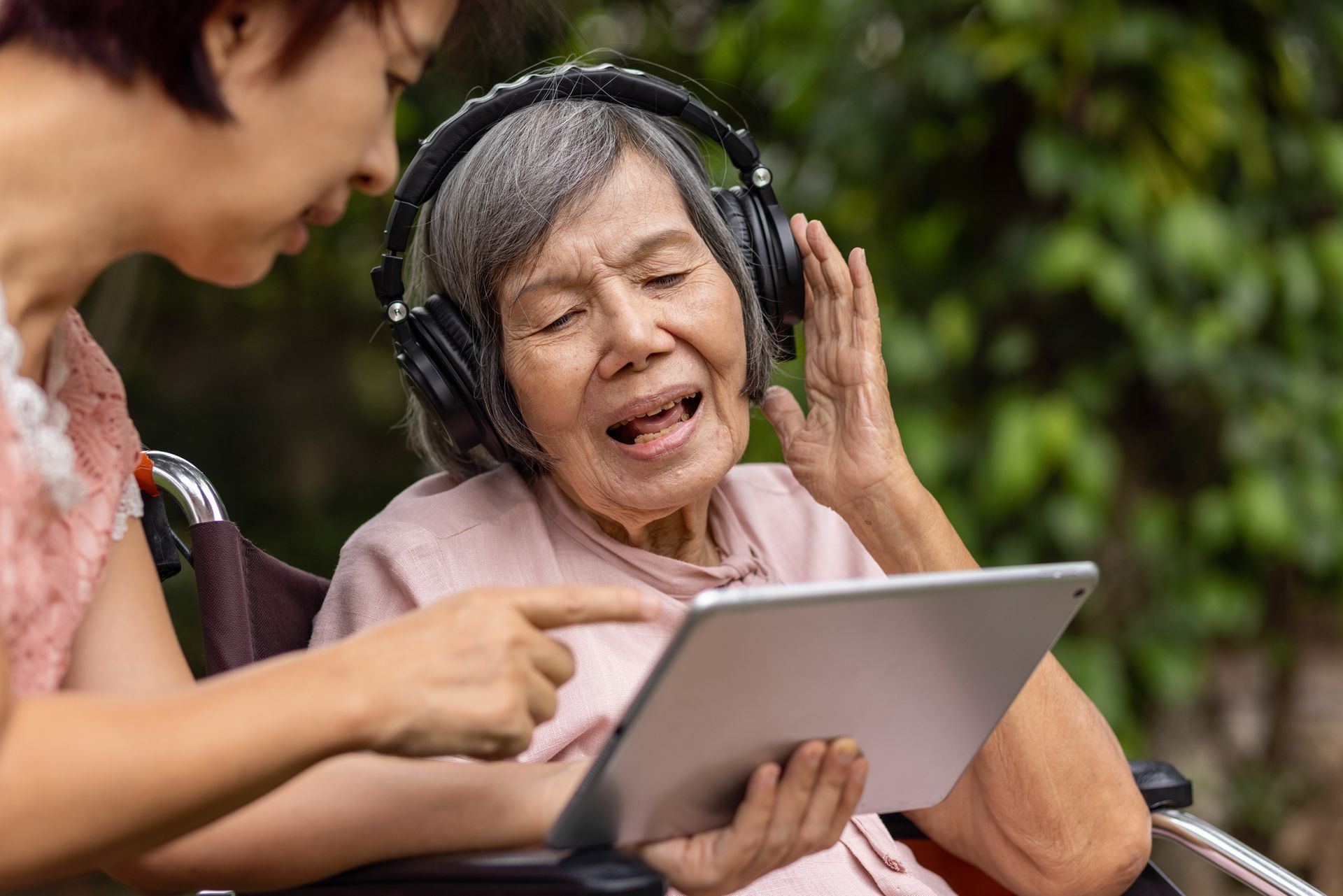
It isn’t uncommon for a music therapist to receive animated feedback from strangers about the job. I’ve been embraced, patted on the shoulder, affectionately named “The Music Lady”, and waved at by nature of the job title. It is my experience that folks generally feel affectionate towards music, and therefore by proxy, me. However, it is seldom that someone asks to hear more than the 10-second version of what a music therapist does. These interactions over time have led me to better understand how the general population perceives music therapy or even the inclusion of music into healthcare spaces. In general, folks tend to be optimistic, nostalgic, and supportive of the art and science of it all. At the same time, my experience has shown that there are fairy-tale ideas about music therapy that can be adjacent to these supportive sentiments. Many patients, families and colleagues are filled with visions from movies, the news or their imagination to understand how music interacts with health. One such myth is that music is always good and helpful, it will offer a tonic unlike any other that is exempt from unanticipated side effects or negative consequences. While I understand that it can be difficult to describe, this notion about music is simply untrue. It is high time that we honour the power of music enough to consider how that power presents risk for adverse consequences. These potential unintended consequences can fall under five categories, which I have adapted from Murakami’s work (2021 ): Risks about the present situation (i.e. context and best fit right now) Risks about the person’s relationship to this music (i.e. preference, memories) Risks about this person’s capacity for this music stimulus (i.e. sound science with level of functioning) Risks about the application of music by the Music Carer (i.e. Music Care competence) Risks about the person and the Music Carer (i.e. quality of relationship, trust) To decrease the likelihood of these, Music Carers must be vigilant, observing the relationships of each of these five areas regularly. One way to do this, is by adopting three practices when using a Music Care approach.
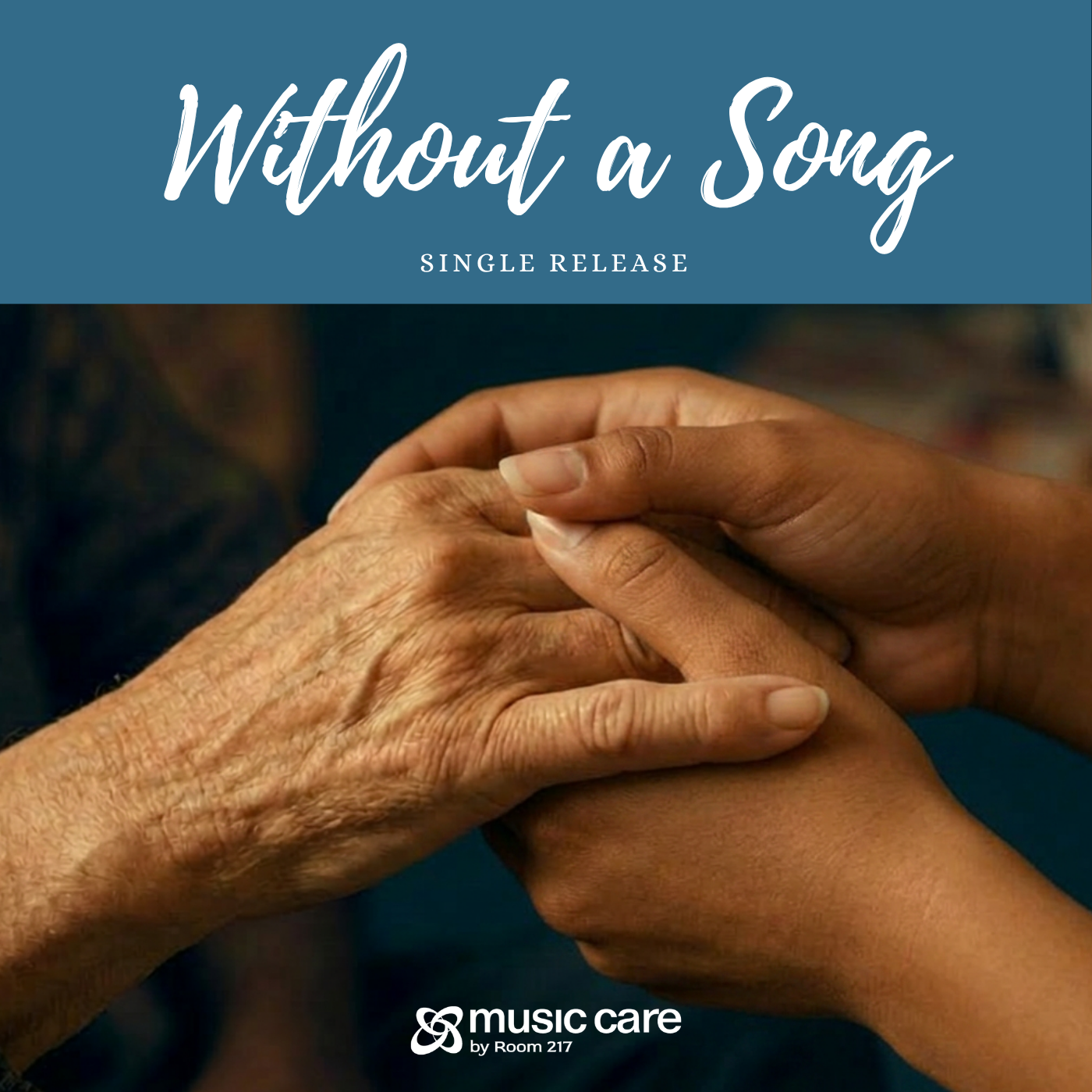
There are moments in life when words simply aren't enough. When someone you love is living with dementia or another condition that changes memory and communication, conversations can become difficult. Familiar faces may no longer be recognized. Shared stories may seem lost. Yet, remarkably, a simple song can reach places that words cannot. Music has an extraordinary ability to awaken memories, evoke emotions, and reconnect us to the people we love. A favourite melody can spark a smile, inspire conversation, encourage movement, or bring a sense of calm during moments of uncertainty. It reminds us that even when memory changes, the capacity to feel, connect, and experience joy often remains. This is the inspiration behind Without a Song, a moving tribute to the power of music in care. Written by legendary Canadian singer-songwriter Murray McLauchlan , Without a Song was dedicated to the Room 217 Foundation on its 10th anniversary in 2019. The song beautifully captures what caregivers, families, and healthcare professionals witness every day: music is far more than entertainment. It is a bridge to connection, comfort, and hope. That belief is at the heart of MUSIC CARE by Room 217. Through evidence-informed education, practical tools, and professional training, the organization is helping caregivers across Canada and around the world confidently integrate music into everyday care. Whether in long-term care, hospices, hospitals, community programs, or family homes, music becomes a trusted companion that supports both the person receiving care and those who care for them. The story behind the recording is just as inspiring as the song itself. Produced by Philip Janz at Hi Tyme Studios in Abbotsford, British Columbia, the recording features talented musicians who are part of the Room 217 community. But perhaps its most powerful moment came during the 19th MUSIC CARE CONFERENCE in November 2025. Inside Metalworks Studios in Mississauga, Ontario, 180 caregivers gathered to lend their voices to the song's background chorus. These were not professional singers. They were nurses, recreation professionals, therapists, care partners, and other caregivers who understand firsthand the impact music can have on the people they support every day. Together, their voices became a powerful reminder that caring is something we do together. Among those voices is Ontario's Minister of Long-Term Care, the Honourable Natalia Kusendova-Bashta who spoke to conference participants about the transformative role music can play in dementia care. Her voice, alongside those of 179 other caregivers, professionals, and advocates, became part of the recording—a meaningful symbol of a shared commitment to bringing music into care. The accompanying video, produced by Kelsey Blake Creative in Toronto, features actors connected through Room 217's certification program, reinforcing the message that music care is built through community, compassion, and shared purpose. At a time when healthcare continues to seek more person-centred approaches, Without a Song reminds us of something beautifully simple: music helps us remain connected to ourselves and to each other. It reaches beyond illness, beyond diagnosis, and beyond the limits of memory. Because sometimes, when words fail, a song can help us find our way home. We invite you to watch Without a Song and experience the message for yourself.
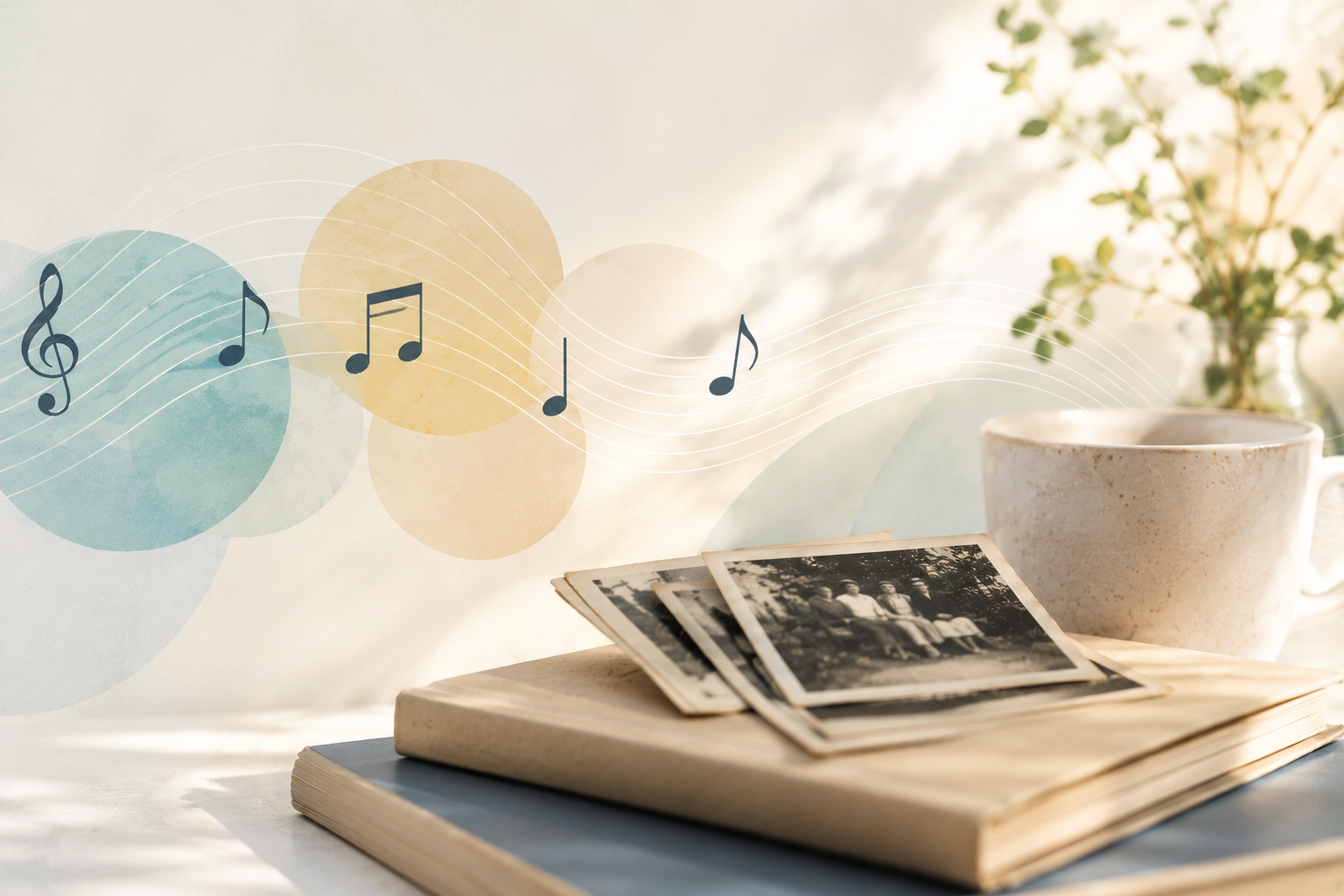
As people age, many things can change. Routines shift. Roles evolve. Some people retire, move homes, lose loved ones, or begin relying more on others for support. Through all of these transitions, maintaining a sense of identity becomes deeply important. Music is often part of that identity. Long before music becomes part of a care program, it is already connected to people’s lives in meaningful ways. Musical preferences are shaped by culture, relationships, life experiences, values, and personal history. The music someone chooses — or avoids — can reflect who they are, where they come from, and what matters to them. Research exploring music, creativity, and aging increasingly points to this connection between the arts and identity. Studies have found that creative engagement later in life can support self-expression, social connection, purpose, and emotional well-being. Rather than viewing aging only through a lens of decline, this highlights the continued importance of participation, meaning, and individuality throughout older adulthood. This perspective matters in care environments. In busy care settings, music is often used with positive intentions: to create atmosphere, support routines, reduce stress, or bring comfort to shared spaces. But, care teams are balancing enormous demands, and individualized approaches can be difficult without the right resources, time, and support. At the same time, music is highly personal. Preferences are closely tied to identity, belonging, and lived experience. A song that helps one person feel grounded and connected may feel unfamiliar or even unpleasant to someone else. One person may connect strongly with jazz, another with country music, hymns, folk songs, Motown, or music connected to cultural traditions or important periods of life. These preferences are not trivial. They reflect individuality. Research has also shown that participation in music and the arts can help support positive self-identity, a sense of purpose, and meaningful social relationships in later life. This may be especially important during periods of transition, when older adults can experience changes in independence, social roles, or daily routines. Music can provide continuity during those changes. This is part of why intentional music care matters. When music is personalized and used thoughtfully, it can support more than enjoyment or entertainment. It can support personhood. Small shifts toward choice and personalization can help older adults remain connected to familiar parts of themselves and maintain opportunities for expression, participation, and connection. In practice, this may look like incorporating meaningful music into daily routines, inviting older adults to help shape musical choices, or creating opportunities for singing, movement, storytelling, or shared musical experiences. Sometimes the impact is visible in increased engagement or conversation. Other times it is quieter: someone singing along softly, sharing a memory connected to a song, or simply appearing more comfortable and settled. Music can also support connection between generations. Family members often learn new things about loved ones through conversations about music: the songs they danced to, the artists they loved, the music they listened to while raising children, or the songs that carried them through difficult periods of life. These conversations reinforce something important: older adults are not defined solely by care needs or diagnoses. They continue to have evolving identities, preferences, relationships, and stories. As we recognize Seniors Month, it is worth reflecting on the role music can play not only in supporting well-being, but in supporting identity. Music is not simply background sound. For many people, it remains closely connected to self-expression, belonging, and a sense of who they are throughout the aging process. Related Reading Creativity and art therapies to promote healthy aging (Frontiers in Psychology) Older adults’ participation in artistic activities (Activities, Adaptation & Aging) Music preference, social identity, and collective self-esteem (Psychology of Music)
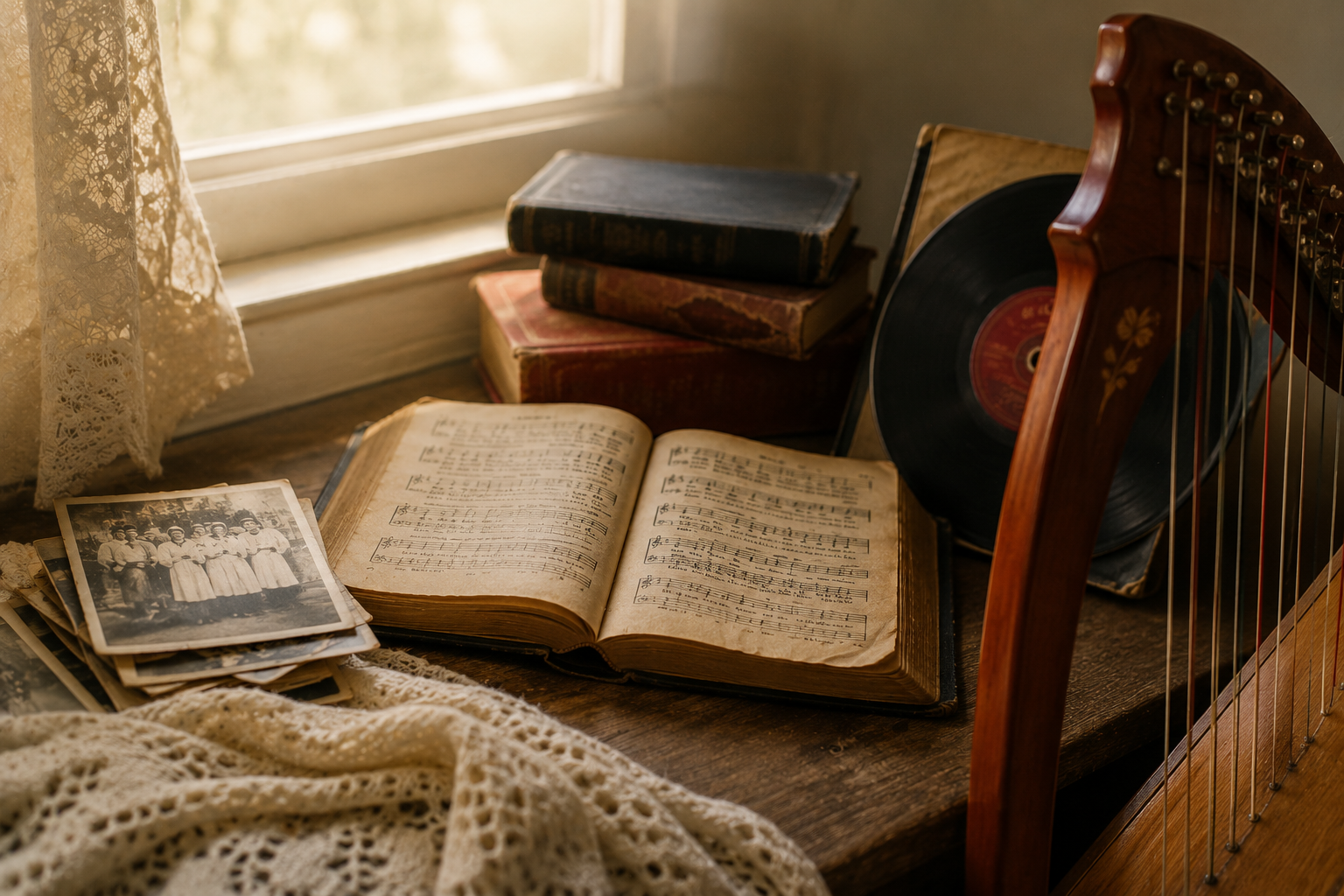
For most of my practice of coming alongside people in care or at the end of life, my harp has been the extension of me. It has traveled in ICUs, nursing homes, funerals, and celebrations of life. But for George, it couldn’t reach into the depths of his ears or into his soul for soothing, comforting, and connecting. George became profoundly deaf at the end of life. George, in his youth, was a very active and attractive young man with many skills athletically and also musically. Both he and his brother were incredible tenors in their church choirs from youth until their sixties. They sang duets and solos in church and with Gilbert and Sullivan Productions. It was actually there that George met the love of his life, Audrey, and they sang together. In my youth at church, George was often gowned in the choir garb, enjoying the music of the church and those “olde hymns”. Later, George’s father’s work as an assayer took him at the age of 16 to Jamaica, where he fell in love with the folk music of the isle. At home, he loved watching Don Messer’s Jubilee; country music was his soft spot. Often after dinner, he would start the turntable and listen to the crooning of the country and western storytellers. Aging, as they say, is not for the faint of heart. The loss of hearing was a huge adjustment for George, and the loss continued until even the hearing aids no longer worked. I would take Ruby, my little red harp, into the nursing home to play, and he would gently smile in his George way and shake his head that he heard nothing. This is where I became the student during the journey. George would bring out copies of his music, such as old hymns and lyrics of favourite love songs. These copies would be yellowed and delicately thin with age. He would begin to sing in his mellow tenor voice, and the memories flooded back. He shared the copies with fellow residences and staff. He would sing to them all. My job was to listen and take in his rich history of music that journaled the passages of his life. Our favourite haunt in the last nine years was Swiss Chalet, every Sunday evening. Often, our Jamaican staff would come out and sing to George. He really couldn’t catch the words the first couple of times, and then he would lip-read Diane’s words, “Come, Mr. Tally Man, Tally Me Banana,” and everyone at the table and surrounding tables would sing. George would randomly sing songs of the past during these dinners, remembering all the words as well as the moments these songs elicited. Then, the talk and connection went deep. His son, Peter, would take notes about all of these wonderful events of a man who lived a humble life well. Our portal into the life of George often came through old black-and-white photos, old hymn books, even old 78 records. He would smile, close his eyes, relax in his lazy boy, and the vocal music would begin. With the music came the stories of life traveling with his family, the depression, World War 2, meeting Audrey, raising his family, and connection with others through music. Even though he could no longer hear, he remembered and could still give the gift of song to others. The lesson is that music is so much more than sound; it is the connection, the stories, and the memories. We, as music care advocates, need not pass by someone who can’t hear as we may feel not useful, but to think beyond the physical sound into the memories of a song. The use of old pictures and hymn books helped us to enter into the past, as did the conversations cards of Music Care. Our job is one of connection and valuing the humanity of a soul. Music provides rich soil for connection. As our body ages and access to many things diminishes, we must still consider how to adapt our approach of using music to connect, through pictures, conversations, touch, and just being in space together sharing who we are. Shelley Neal is a special education teacher and program coordinator, therapeutic musician, and music care advocate in the Greater Toronto Area. Shelley uses music to deliver curriculum, support movement and language development and communication skills with non-verbal children. Her goal is to come alongside people and use music in whole person care.

There are moments in nursing that stay with us forever, and others that seem to pass by without much notice or fanfare. Many nurses, for example, vividly remember the excitement and nervous anticipation that accompanied their first job. In contrast, writing a first care plan rarely evokes the same intensity of emotion or lasting memory. Yet, care planning is a fundamental component of nursing practice. Effective care plans help the healthcare team communicate clearly, understand each member’s role, and collaborate in meeting the individualized needs of every resident. As a Registered Nurse, I have seen that personalized care can make a real difference in the lives of older adults. One simple but powerful example is planning music care. When music is intentionally added to a resident’s care plan, it becomes much more than entertainment. Music can be used as a therapeutic tool that improves comfort, connection, and quality of life. What makes music so valuable is that it is simple, easy to access, and adaptable to each person’s preferences. Music is at your finger tips with the use of Spotify, Amazon Music, YouTube, and other streaming services. In addition, programs like Music Care by Room 217 help healthcare teams excel in the safe and effective use of music in care. From a nursing perspective, music fits naturally into holistic care, which means caring for the whole person, not just their physical health. Nurses look at emotional, mental, social, and spiritual needs as well as physical symptoms. Music can support all of these areas. It can help reduce anxiety and agitation, encourage movement, improve mood, promote relaxation, and even lessen the feeling of pain. In long-term care, staff often support residents during vulnerable moments, such as personal care, transitions, or times of distress. Music can help these moments by creating calm and comfort. One resident experience clearly showed me how powerful music can be. This resident was living with dementia and had some communication deficits. As part of a quality improvement initiative at Glen Hill Terrac e, staff gathered more information about the resident’s musical preferences and created a personalized music-based care plan. The change was remarkable. During care, while this personalized musical list was playing, the resident started singing along with staff, engaging positively, and had enhanced verbal communication. Most importantly, music helped the resident reconnect with moments of joy. Quality care is about more than treating illness. It means supporting dignity, comfort, joy, and human connection. Music is a simple but powerful tool that reaches people in ways medicine alone cannot. When thoughtfully included in care plans, music becomes part of compassionate, person-centered approach to caring. Juanne George is the Director of Dementia Care at Glen Hill Terrace, a 160-bed Long-Term Care Home.

Several years ago, I met Brian*, a young adult who was living with stage 4 lung cancer. The highly aggressive disease had metastasized to multiple parts of his body, including his brain. In our lengthy conversations over many music therapy sessions at the hospital, I was struck by his focus on legacy. He told me he was constantly wondering if and how he would be remembered. At only 27 years old, he was at once youthful and existentially weighed down by the reality of the disease progression, eager to soak in as many experiences as he could while being mindful that his time was limited. As a music therapist, I often focus on “legacy work” through songwriting as a vehicle for creative self-expression but also as an offering to the patient’s family. The songs I write with patients who are receiving palliative and end of life care often represent that which holds meaning to them. We write songs for loved ones, about loved ones, about oneself, about hopes, dreams, regrets, ideas, and reflections. Sometimes the patient wants to infuse humour, other times the lyrics and chord progressions are pensive, even melancholic. However, the songs come together, they always serve as a form of legacy. Perhaps that is an intrinsic outcome of songwriting: it’s inherently representative of a point in time and can be revisited as a reflection of that moment, of that person, of that experience or relationship. In one of our music therapy sessions, I introduced the idea of songwriting to Brian, who immediately connected with the concept and told me he’d be thrilled to try it, though he wasn’t sure what he wanted to say or how the process would unfold. Together, over several weeks, he and I crafted lyrics, which he would later speak atop a chord progression we created. He told me he wanted the chords to feel “deep, painful, yet hopeful,” a contrast which he named as his own current reality, as he was balancing living while dying. I had heard of other music therapists recording patient heartbeats with a stethoscope and using the audio as a backing track of sorts, a rhythmic line that threaded through the song. Having just been generously gifted a digital stethoscope from a community organization, I knew in my own heart that Brian would be the perfect first patient for me to create a heartbeat recording with at the hospital. With a little help from my nursing colleague, we recorded Brian’s heartbeat, embedded the sounds into the track he and I had written and recorded, and a few days later, presented it to his family. Brian died several months later but his vitality remains embedded into the song he wrote, both in the music and lyrics but also in the acoustic representation of his life force: his heartbeat. Over the past several years, music therapists have been using heartbeat recordings as legacy work with patients and families in a number of settings including but not limited to oncology, pediatric intensive care units, and hospices. Last year, together with the Adolescent and Young Adult (AYA) Oncology Program at Princess Margaret Cancer Centre , the Music Therapy Program launched a “Heartbeat Recording for AYAs” research project where we will be writing songs with this patient population and researching the lived experience of the legacy work and heartbeat recording for these patients. We’re so thrilled to be able to carry on this work as a research endeavor and hopefully come to a richer understanding of the impact of this songwriting approach. When I reflect on the work Brian and I did together, I’d like to think he would be excited to see this type of legacy work expanded for adolescents and young adults. Perhaps his courage to be the first patient to trial this experience is part of his legacy, too, and I will be forever grateful. Dr. SarahRose Black PhD RP MTA is a certified music therapist and registered psychotherapist, specializing in palliative care and psychosocial oncology at the Princess Margaret Cancer Centre, and her private psychotherapy clinic (Whole Note Psychotherapy) in Toronto, Ontario. She is a pianist, vocalist, and music health educator, and has performed, taught, and presented on her clinical work and research across Canada.
Music is everywhere. It plays in the background of waiting rooms, fills quiet spaces, and is often added to care environments with good intentions. But music care is not just about playing music. The difference is intention. In music care, intention means using music with a clear purpose. It is not just about what is playing, but why it is being used, when it is introduced, and how it supports the moment. It is the difference between turning on any playlist and choosing the right piece of music for what is happening right now. This shift may seem small, but it changes how music functions in care. When music is used intentionally, it moves from background to something that actively supports the care process. A familiar song used at the same time each day can help signal routine. A slower tempo can support calm during moments of agitation. An upbeat rhythm can encourage movement and participation. In each case, the music is doing something. It is not just filling space. It is supporting care. At its core, intentional music care can be understood in three connected ways: Use: How music is used in the moment Design: How music is structured and selected to support care Performance: How music is expressed and adapted to suit different settings and care scenarios
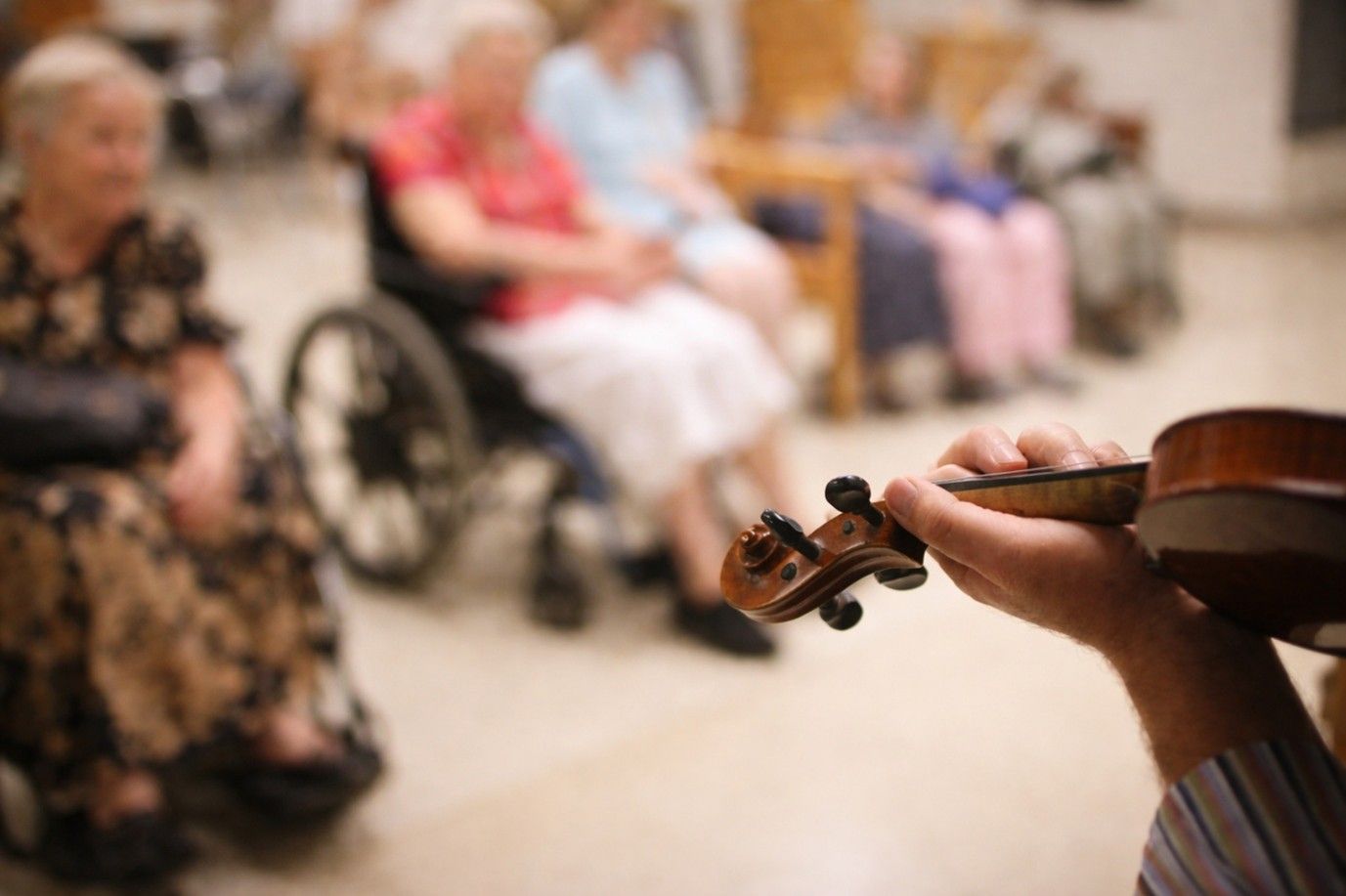
With the Juno Awards taking place this past weekend, there has been a renewed focus on the role music plays in Canadian culture. It brings people together and creates shared moments. This same idea surfaced in a different context earlier last week. During the recent Ontario Long Term Care Association conference, a keynote from Mike Downie, Telling Our Story: The Power of Narrative to Inspire and Connect, reflected on the legacy of his brother, Gord Downie, and the impact of The Tragically Hip. One of the main insights of this reflection was a simple idea: music connects people. During the keynote, reflections shared from residents at Kensington Health offered a powerful reminder: Music is a common ground for community gathering It is not about what is lost, but what is still there Music that has meaning can bring us back, even if only for a moment Mike Downie also reflected on how the storyteller can become the story. This is a clear theme in the life of Gord Downie, who was known for storytelling through his lyrics and later became the story himself through his health journey. His later work, including Secret Path , also highlighted his advocacy for Indigenous communities and demonstrated how music can be used to share stories that might otherwise go unheard. In care environments, this idea shows up in different ways. Projects like The Green Bench create space for people to share their stories directly. Music can do something similar. It can bring forward identity, memory, and moments of self-expression, even when communication changes. These reflections may feel familiar to those who work in care environments. It may look like a resident quietly joining in with a familiar song, or a shared moment where a room shifts as music begins. Connection through music may appear as: A familiar song leading to singing or humming A moment of recognition seen in a glance or a smile A shift in the tone of the room when music is introduced These moments of connection are often described as spontaneous. However, they are not accidental. Music, when used intentionally, can support connection in everyday care. This might look like: Choosing music that is familiar and meaningful to the person Using music to support transitions or care routines Creating opportunities for shared listening or singing The legacy of Gord Downie reminds us that music has always brought people together. In care environments, through the intentional use of music, that same connection continues.
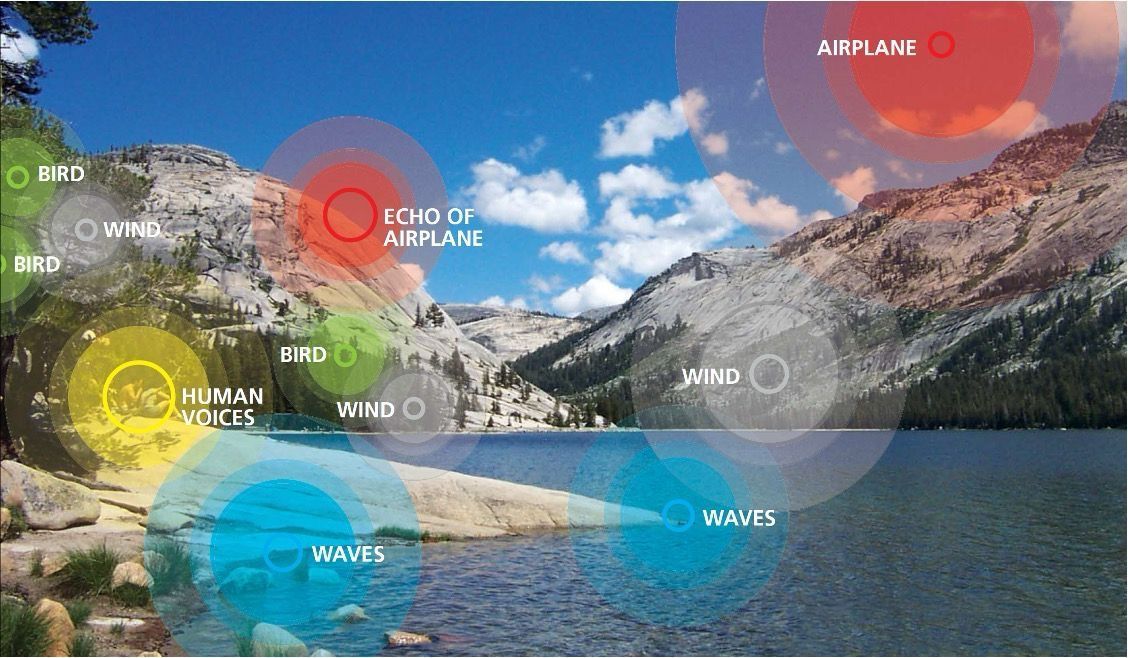
As I begin my role with MUSIC CARE by Room 217 , I am also beginning my own learning journey in music care. My background is in healthcare education and program development, with previous roles at Carpenter Hospice and the Princess Margaret Cancer Centre. In those settings, I had the opportunity to see music therapists at work and witness the impact that music can have in care environments. This week I began MUSIC CARE TRAINING Level 1 , the first level of standardized training offered through MUSIC CARE by Room 217. Even in the first part of the training, several ideas have already shifted how I think about music in care environments. One insight that stood out immediately came from the first session led by Dr. SarahRose Black , a music therapist, psychotherapist, and educator. She noted that music care is not limited to a specific professional role. A nurse manager who advocates for music care within their organization is also practicing music care. Creating the conditions where music can be used thoughtfully in care environments is itself a form of care practice. The same can be true for roles that people might not immediately associate with care practice. A receptionist who intentionally chooses calming music in a waiting area, or who notices how sound affects the mood of a space, can also influence the care environment in meaningful ways. In this sense, music care becomes less about a specific job title and more about an approach to how we shape the spaces where care happens. Another concept introduced in the training comes from music scholar Christopher Small , who described music not simply as a thing we listen to but as something we do. Small used the term “musicking” to describe the many ways people engage with music. This includes singing, listening, sharing songs, or creating musical moments together. In care settings, musicking can support connection, expression, and well-being. What struck me most, was a discussion about the soundscape of care environments. In many healthcare and long-term care settings, residents and patients have limited control over the sounds around them. Hallways can be busy. Alarms sound frequently. Televisions are often left on. Conversations carry across shared spaces. People naturally entrain to the rhythms and energy of their surroundings. Entrainment simply means that our bodies and emotions tend to sync with the patterns around us. When the environment is hectic or noisy, people may begin to feel unsettled or stressed. Dr. Black shared an example of an organization that, after completing the MUSIC CARE CERTIFY program, implemented an environmental sound policy to help regulate what influences the soundscape of their care environment. As she noted, “music can be a positive form of entrainment.” By intentionally shaping the sound environment, including the thoughtful use of music, care spaces can begin to shift from chaotic to supportive. In this context, music is not simply entertainment. It becomes part of how care environments are designed to support well-being. Music care is less about adding something new and more about bringing intention to something deeply human. It asks us to pay attention to our relationship with music and how it shapes the spaces where care happens.